
BPD Masking Emotions: How DBT Can Help You Be Your True Self
Understanding BPD Masking
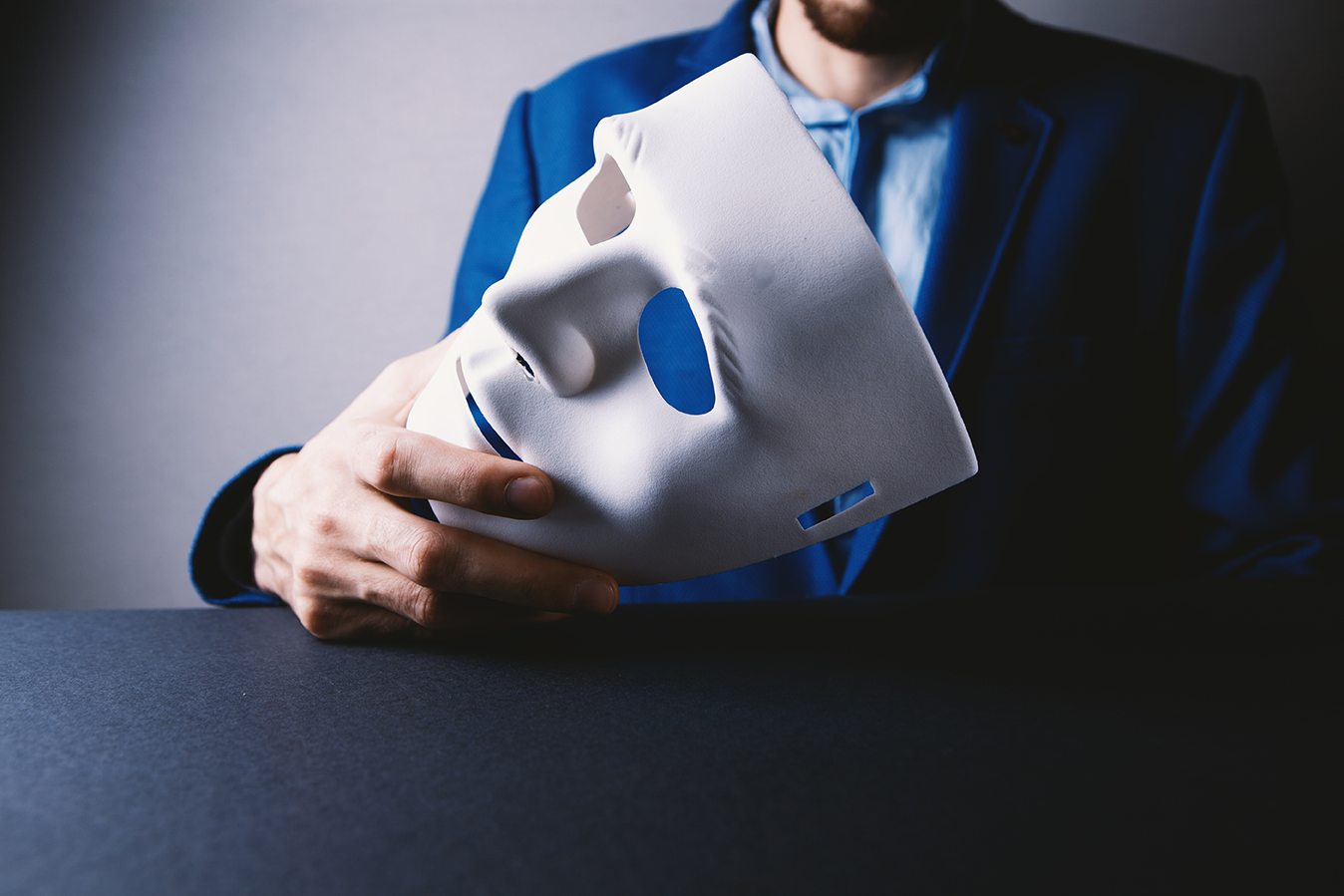
In a world where vulnerability can feel risky, many individuals with Borderline Personality Disorder (BPD) develop the habit of masking their emotions. Masking is when someone attempts to hide or conceal their emotions and the way they feel.
When someone masks their emotions, it acts like a protective shield, a way to hide the intense feelings that can be overwhelming. While masking emotions may offer short-term relief, it often leads to long-term emotional distress, relationship difficulties, and an even further disconnect from their true self.
Why do People with BPD Mask Their Emotions?
Let’s say you’re out with friends, checking out the new bar everyone’s been talking about. On the inside, you’re ready to explode— an anxious, insecure, irritable, f*cking mess. Instead of letting anyone know what’s really going on, you put a smile on your face and tell everyone that you’re fine.
People with BPD often carry intense shame for who they truly are and feel desperate to be accepted by the people they care about. They are terrified that others will find out who they really are and will be rejected and abandoned.
If you have BPD, the fear of being judged or rejected may often lead to suppressing your emotions in an effort to keep yourself and everyone around you happy. The problem is, that this will only amplify your negative emotions and intensify your internal conflict.
BPD Masking

For individuals with borderline personality disorder, negative emotions can be intense and debilitating. The fear of being rejected, misunderstood, or judged often drives the urge to hide or suppress these emotions. Masking may have developed in response to past experiences of emotional invalidation or rejection.
It may feel safer to pretend you're fine than to risk exposing your vulnerability.
The reality is that this false sense of safety can keep you disconnected from your true feelings and make it harder to form genuine connections. Masking emotions becomes a way to protect yourself. It also prevents you from fully experiencing and expressing who you really are.
Common Examples of BPD Masking
You pretend you’re happy and ok, even when you’re not.
Even when you’re feeling sad, anxious, or angry, you put on a “mask” with people you care about because you can’t fathom risking others seeing you any other way. You fear that if you allow yourself to express your negative emotions, they’ll get upset with you. And… having someone be angry or upset with you is just not acceptable.
You can’t stand it when someone is not pleased with you. Because if they are, they might not like or love you anymore. Worse still, they might leave you.

You’ve been taught to keep the “peace at all costs.”
You grew up in a family where “keeping the peace” was more important than addressing or acknowledging how you felt. You learned to pretend everything was “fine” to protect yourself from being dismissed, disappointed, neglected, or worse. The last thing you wanted to do was create conflict, because conflict in your home, wasn’t pretty.
In your family, you realized that masking emotions was the only way to keep yourself emotionally and physically safe.
The “Chameleon Effect”: You become a chameleon, so people like you.
For as long as you can remember, you were always told that who you were, what you felt, and what you believed was wrong. You learned that you’d adjust or change your emotional expressions, opinions, or behaviors based on the people you were with. That way, you didn’t have to risk being vulnerable and risk the pain of rejection.
You’re so afraid that if others actually saw the real you, they’d run. So, you decided that it would be easier (and safer) to mask your true feelings and opinions.
The impact of the “Chameleon Effect”
When you’re constantly adjusting your personality, opinions, or emotions based on who you're with, you may end up feeling disconnected from your own identity. The fear of rejection or abandonment may drive you to change who you are to please others. Doing so becomes problematic because this only adds to the inner turmoil and further disconnects you from your authentic self.
Masking Creates Self-Invalidation
At its core, masking is a form of self-invalidation. When you hide or suppress your emotions, you’re telling yourself that your feelings aren’t valid, somehow wrong, or not worth expressing. This undermines your emotional experience, making it harder to trust yourself and your emotions.
Instead of allowing yourself to feel and experience your emotions, masking teaches you to reject and ignore your emotional experience, and ultimately your authentic self. This self-invalidation can be especially harmful for individuals with BPD, as it deepens feelings of emptiness and confusion about one's identity. Over time, this pattern reinforces a cycle of emotional repression, which can increase emotional suffering and lead to greater distress in relationships.
How DBT Helps with BPD Masking

Dialectical Behavior Therapy (DBT) helps individuals with BPD experience a range of emotions without necessarily acting on those emotions. It’s an effective treatment for people who have problems controlling their emotions and behaviors. Through specialized DBT Skills Training, individual DBT therapy, and access to phone coaching, you can learn how to deal more effectively with the problems in your life.
You can learn to express your emotions fully and experience them effectively through DBT.
Philadelphia DBT Therapy
If you’re struggling with masking your emotions and the impact it’s having on your life, you don’t have to navigate it alone. As a DBT therapist in Philadelphia, I specialize in helping individuals with BPD break free from emotional suppression and live authentically. DBT can empower you to embrace your feelings, build stronger relationships, and create a life that’s worth living.